SEO content and AI prompt systems are now two of the most useful assets a service business can build. A website can look professional, but if the service pages do not answer real customer questions, search engines and visitors both receive a weak signal. A business can also use AI tools every day, but if the prompts are random, the output becomes inconsistent, generic, and difficult to publish. Raja Freelance brings these two areas together because modern online growth needs both search-friendly content and repeatable AI workflows.
For consultants, coaches, agencies, creators, freelancers, local service providers, and online businesses, the goal is not simply to publish more words. The goal is to create content that explains services clearly, attracts qualified visitors, builds trust, and supports the next action. That action may be an email inquiry, a discovery call, a product download, a social follow, or a long-term business conversation. SEO content writing gives the website visibility, while AI prompt engineering helps the business produce drafts, outlines, captions, FAQs, research notes, and customer replies with better speed.
This article explains how a service business can use SEO content and AI prompt systems together. The focus is practical: keyword direction, search intent, article structure, prompt libraries, human editing, internal linking, and measurement. The result is a digital content system that supports website development, social media planning, eBook creation, branding, and business growth analysis instead of treating each task as a separate job.
Why SEO content still matters for service businesses
Search visibility starts with understanding what the customer is trying to solve. A person searching for website development, SEO content writing, AI prompt engineering, eBook formatting, personal branding, or social media growth usually has a specific problem. They may need a professional business website, a stronger service page, a clearer article plan, a digital product, or support with consistent online communication. SEO content should meet that search intent with useful information, not empty keyword repetition.
Strong SEO content explains the problem, gives context, compares options, answers objections, and shows the reader what a practical next step looks like. For example, a service page about website development should not only say that the business builds websites. It should explain the website sections, mobile layout, SEO basics, page speed, contact paths, trust signals, and content structure a client should expect. A blog article about content writing should explain how headings, examples, metadata, images, internal links, and clear calls to action help readers make decisions.
Raja Freelance writes SEO content with a business-first approach. Keywords matter, but usefulness matters more. The right article can support search engines and customers at the same time because both need clarity. When content is structured around real questions, it becomes easier to read, easier to rank, and easier to connect with services.
How AI prompt systems improve content production
AI prompt systems help service businesses avoid starting from zero every time they need content. A prompt system can include reusable prompts for article outlines, service page drafts, social media captions, email replies, competitor research, FAQ expansion, customer personas, and content audits. Instead of typing a vague request into an AI tool, the business uses a tested prompt with clear inputs, tone guidance, output format, and quality rules.
A useful prompt system does not remove human judgment. It improves the starting point. The business still needs to review facts, improve examples, protect brand voice, add experience, and make sure the final content sounds natural. This is especially important for SEO content because search-friendly writing should be helpful, specific, and original. AI can support speed, but strategy and editing protect quality.
For a Raja Freelance client, an AI prompt library may include prompts for content briefs, blog introductions, service benefits, article summaries, social media repurposing, product descriptions, eBook chapters, and research checklists. Each prompt is designed around the client’s audience and offer. This makes the workflow more consistent and reduces the time spent rewriting generic output.
Building a keyword and prompt map
The best way to connect SEO content with AI prompt engineering is to create a keyword and prompt map. A keyword map lists the main topics the business wants to be found for, such as digital services, AI prompt engineering, SEO content writing, website development, social media management, eBook publishing, personal branding, and business growth analysis. Each topic should connect to a real service, article, FAQ, or landing page.
A prompt map turns those topics into repeatable production workflows. For example, the keyword “service page copywriting” may connect to prompts for audience research, pain point discovery, headline ideas, benefit bullets, FAQ drafting, and call-to-action improvement. The keyword “eBook publishing support” may connect to prompts for chapter planning, introduction drafting, formatting checks, sales page copy, and promotional captions.
This map prevents scattered content. It helps the business understand which articles support which services, which prompts support which tasks, and where internal links should point. When a visitor reads an article about AI prompts, they can naturally move toward prompt engineering services. When they read about website sections, they can move toward website development. When they read about authority content, they can move toward eBook creation or branding support.
Writing articles that are useful and optimized
A strong SEO article usually needs a clear title, helpful introduction, descriptive subheadings, short paragraphs, relevant keywords, specific examples, image alt text, and a next step. It should not feel like a keyword list. It should feel like a guide that respects the reader’s time. The article should explain what matters, why it matters, and how the business can apply the advice.
For service businesses, the best topics often come from customer questions. What should a business include on a website? How often should social media content be planned? Why does a landing page need clear copy? How can AI prompts save time? How does eBook publishing build authority? What should be reviewed before scaling online? These questions can become articles, FAQs, short videos, carousel posts, newsletter sections, and sales page improvements.
Raja Freelance also recommends writing with internal links in mind. A blog article should not stand alone like an island. It should support the wider website by connecting to service pages, portfolio examples, testimonials, contact options, and related articles. Internal linking helps visitors continue their journey and helps search engines understand the site structure.
Using prompts without losing originality
One common concern is that AI-assisted content may sound repetitive. That happens when prompts are too broad and the editing process is weak. Original content needs specific business context: the audience, the offer, the location focus, the tone, the service method, the examples, and the customer outcome. Without those details, AI output often becomes safe but forgettable.
A better prompt includes a role, purpose, audience, service details, keywords, structure, tone, and quality checklist. It may ask the AI tool to draft an outline first, then expand one section at a time. It may also ask for customer objections, FAQ ideas, or alternative headings before the article is written. This gives the human editor more control and creates content that is easier to improve.
Raja Freelance uses prompt engineering as a productivity system, not a shortcut around quality. Drafts are reviewed for clarity, usefulness, flow, search intent, and brand fit. The final content should sound like a helpful business asset, not a machine-generated page. This is how AI can support unique SEO content without weakening trust.
How this supports wider digital services
SEO content and AI prompt systems connect naturally with website development. A website needs pages, headings, service descriptions, calls to action, image alt text, and article sections. Prompt systems can help draft these assets faster, while SEO strategy ensures they answer the right searches. Together, they make the website easier to understand and easier to maintain.
They also support social media growth. A long article can become LinkedIn posts, Instagram captions, Pinterest descriptions, short video scripts, email tips, and FAQ graphics. A prompt system can repurpose the article into platform-specific formats while keeping the message consistent. This helps small teams publish more often without losing the core brand direction.
eBook publishing benefits as well. Articles can become chapter ideas, lead magnets, workbook sections, or authority-building educational content. A business growth analysis can identify which topics deserve deeper treatment and which pages need improvement first. In this way, SEO content becomes part of a complete digital service system rather than a single publishing task.
Measuring results and improving over time
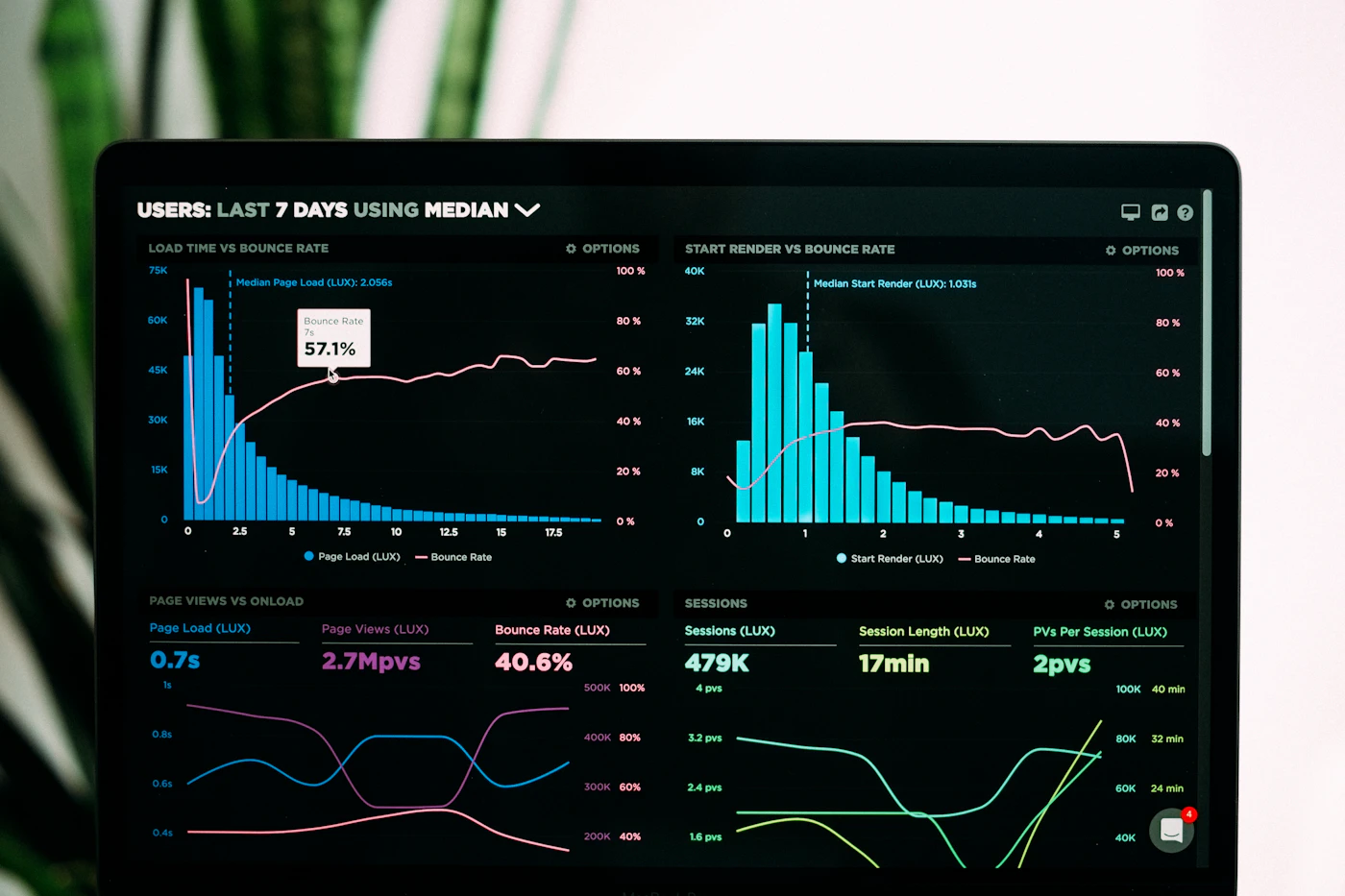
A content system should be measured. Service businesses can track organic traffic, article impressions, keyword movement, inquiry quality, click-through rates, time on page, social shares, saved posts, and customer questions. The goal is not to chase every number. The goal is to understand whether the content helps the right people move closer to trust and action.
If an article is not performing, it may need a clearer title, stronger introduction, better examples, improved internal links, updated keywords, a more relevant image, or a sharper call to action. If AI prompts produce weak drafts, the prompts may need better inputs, stronger constraints, or a clearer editing checklist. Continuous improvement keeps the system useful.
Final thoughts
Use SEO Content and AI Prompt Systems for Service Business Growth as a practical action plan for the next business update. Review one page, one offer, and one customer question. Improve the message, publish the change, measure the response, and keep every content decision connected to services, search visibility, AI workflows, customer trust, and measurable growth. This steady review process helps Raja Freelance turn long form guidance into clearer action for entrepreneurs startups creators consultants service businesses and growing online.
Contact Now